The Duty of Home Ventilation in Preventing Mold And Mildew and Indoor Allergens
Home ventilation is a critical component in preserving a healthy interior environment. It manages humidity levels, which can prevent the development of mold and the build-up of irritants. Numerous homeowners ignore the relevance of correct ventilation, usually resulting in undetected issues. Comprehending just how ventilation systems feature and their influence on air top quality could be the secret to a much healthier living space. What steps can be taken to boost these systems effectively?
Comprehending Home Air Flow Systems
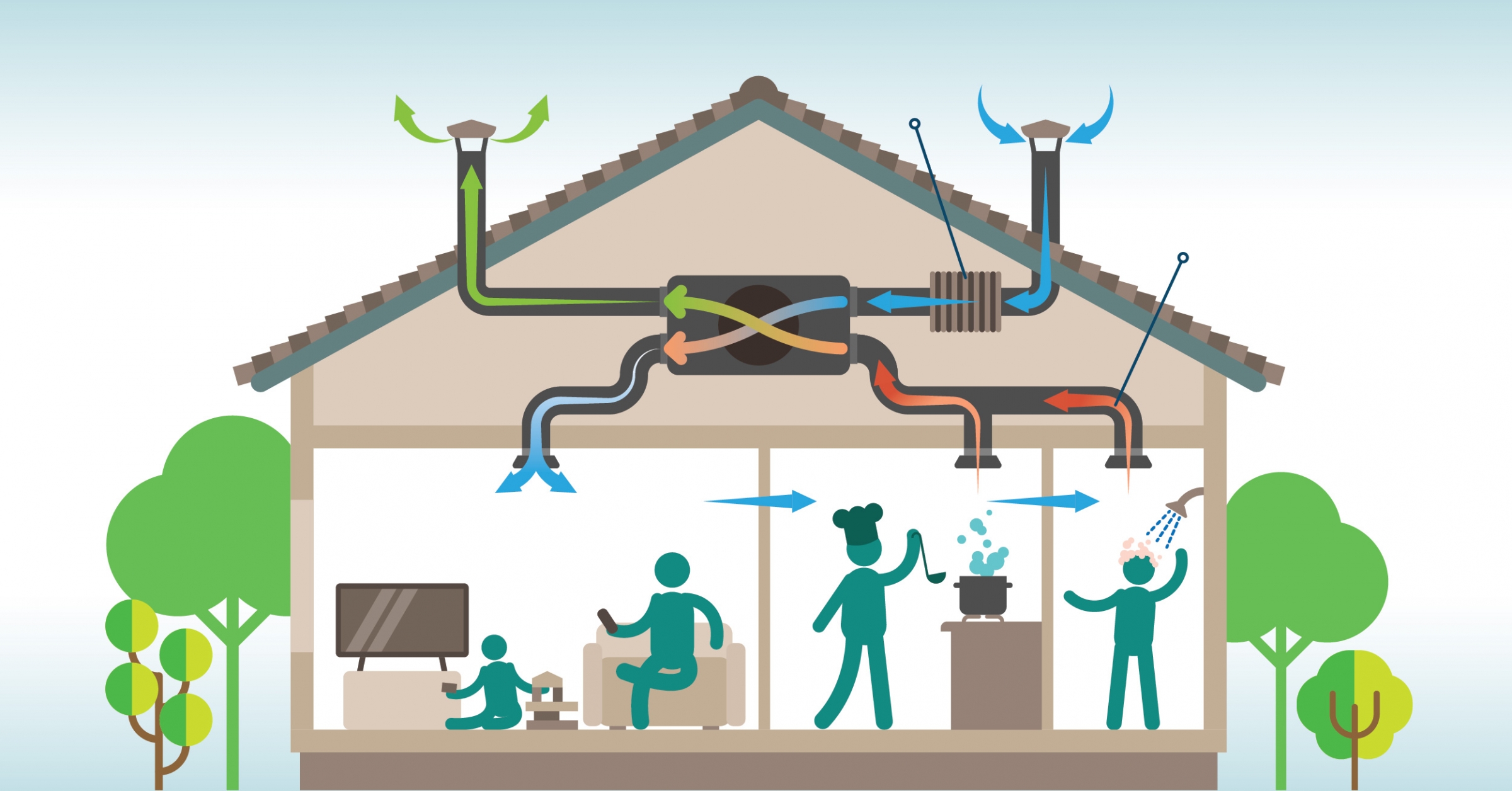
While numerous home owners may neglect the value of air flow, recognizing home ventilation systems is vital for keeping interior air quality and stopping mold and mildew development - Home Ventilation Melbourne. These systems facilitate the exchange of stale indoor air with fresh outside air, successfully reducing pollutants and wetness degrees. Usual kinds consist of all-natural air flow, which counts on wind and temperature distinctions, and mechanical air flow, which uses air ducts and fans to manage air flow. Furthermore, balanced ventilation systems combine both methods to optimize air quality. Correctly developed and preserved ventilation systems can help regulate temperature and humidity, making sure a comfy living atmosphere. Home owners need to take into consideration variables like home climate, occupancy, and layout when picking an air flow system to finest suit their needs and boost general air high quality
The Influence of Moisture on Mold Development
Humidity plays an important role in mold and mildew growth, making it an essential aspect for homeowners to keep an eye on. Mold thrives in atmospheres where humidity levels go beyond 60%, as these conditions give the wetness essential for spores to proliferate and sprout. High humidity can arise from various resources, including bad ventilation, water leakages, and cooking or bathing tasks. When humidity degrees remain raised, mold can create rapidly on organic products such as drywall, timber, and fabric. House owners should use dehumidifiers and ensure correct ventilation in areas vulnerable to wetness, such as basements and shower rooms. Preserving interior moisture between 30% and 50% can considerably reduce the risk of mold development, contributing to a healthier living atmosphere.
Recognizing Usual Indoor Allergens
Indoor environments can harbor a range of irritants that influence health and comfort. Typical interior irritants consist of dirt mites, pet dander, mold spores, and pollen. Dirt termites grow in bed linens, rugs, and upholstery, eating natural product and adding to respiratory system issues. Pet dander, composed of tiny flakes from skin and fur, can trigger pop over to this web-site allergic reactions important site in sensitive individuals. Mold spores, often existing in wet locations, can impact and proliferate air high quality. Additionally, pollen can penetrate homes with open windows or on clothing. Identifying these irritants is essential for keeping a healthy and balanced interior atmosphere. Recognition of their presence permits home owners to take aggressive procedures to reduce exposure and improve total interior air high quality.
Benefits of Correct Ventilation
Proper air flow is necessary for preserving a healthy interior atmosphere, as it helps to manage air high quality and decrease the buildup of toxins. Ample air flow helps with the exchange of indoor and exterior air, therefore weakening damaging substances such as unpredictable organic substances, irritants, and dust. This procedure not only boosts comfort but likewise adds to the total wellness of occupants by decreasing breathing problems (Home Ventilation Melbourne). Correct ventilation properly controls moisture levels, lowering the likelihood of mold and mildew development and promoting a drier atmosphere helpful to health. Furthermore, it can improve energy effectiveness by making certain that cooling and heating systems operate better, resulting in reduced power costs. Generally, correct air flow is an important part in promoting a healthy and balanced and secure home

Tips for Improving Home Ventilation
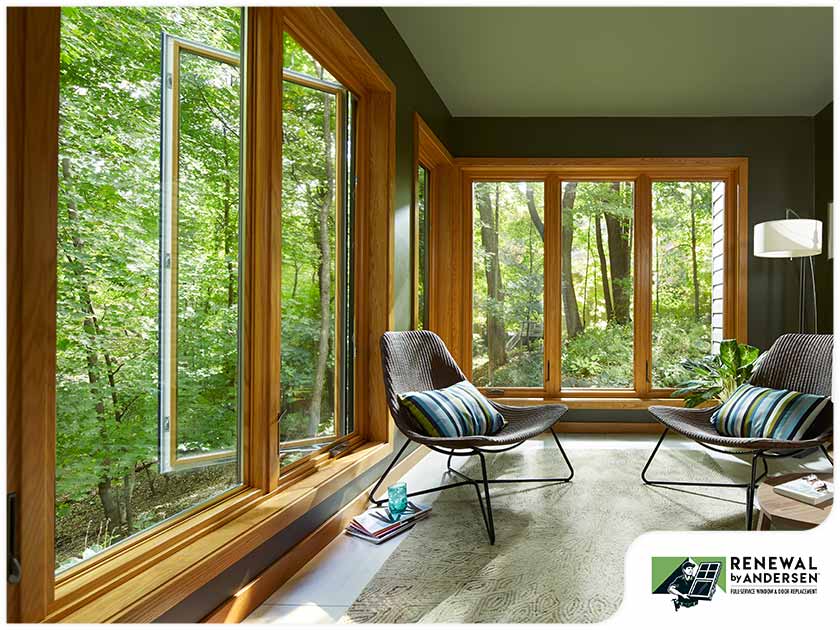
Numerous home owners might neglect it, boosting home air flow is essential for enhancing air quality and preventing mold development. One reliable approach is to routinely open home windows to advertise cross-ventilation, permitting fresh air to flow. Setting up exhaust fans in kitchen areas and restrooms can successfully get rid of moisture-laden air, minimizing humidity levels. Homeowners need to additionally think about using air purifiers with HEPA filters to record allergens and pollutants. On a regular basis preserving heating and cooling systems, consisting of transforming filters, guarantees come to a head airflow and performance. Securing leaks around doors and windows can prevent outdoors air from getting in, which aids preserve a consistent interior atmosphere. Integrating houseplants can normally enhance air top quality while adding visual value to the home.
Regularly Asked Questions
Exactly how Frequently Should I Tidy My Home Ventilation System?
Establishing exactly how usually to clean up a home ventilation system depends upon various aspects, consisting of usage and ecological problems. Home directory Ventilation Melbourne. Typically, specialists recommend a detailed cleaning every 3 to 5 years to maintain suitable airflow and effectiveness
Can Plant Kingdom Help Decrease Indoor Allergens?
Research suggests that particular indoor plants might help in reducing irritants by enhancing air top quality and increasing humidity. Their efficiency varies, and preserving a tidy setting continues to be important for handling indoor irritants properly.
What Kinds Of Air Filters Are Ideal for Mold And Mildew Prevention?
Exist Specific Ventilation Demands for Basements?
How Do I Know if My Ventilation Is Functioning Properly?
To establish reliable ventilation, one ought to keep an eye on moisture degrees, examine airflow through vents, and observe indications of condensation or stationary air. Normal analyses can indicate whether the system sufficiently flows and exchanges interior air.
Understanding exactly how ventilation systems function and their effect on air high quality might be the secret to a much healthier living area. While lots of home owners might forget the importance of air flow, recognizing home air flow systems is essential for maintaining interior air top quality and preventing mold and mildew development. Usual kinds consist of natural ventilation, which relies on wind and temperature differences, and mechanical ventilation, which utilizes air ducts and fans to control airflow. Correct air flow is crucial for keeping a healthy and balanced indoor environment, as it assists to control air quality and reduce the build-up of toxins. Lots of house owners may overlook it, boosting home air flow is vital for enhancing air top quality and protecting against mold and mildew growth.
Comments on “How Home Ventilation Melbourne Helps Prevent Mold and Dampness”